Seasonal Equipment Maintenance
Orchard gear lives through radical seasonal shifts: freezing dormant winters with static storage issues, intense spring wash cycles, scorching summer canopy mulching, and relentless autumn harvest haulage. Managing these transitions preserves machine health.
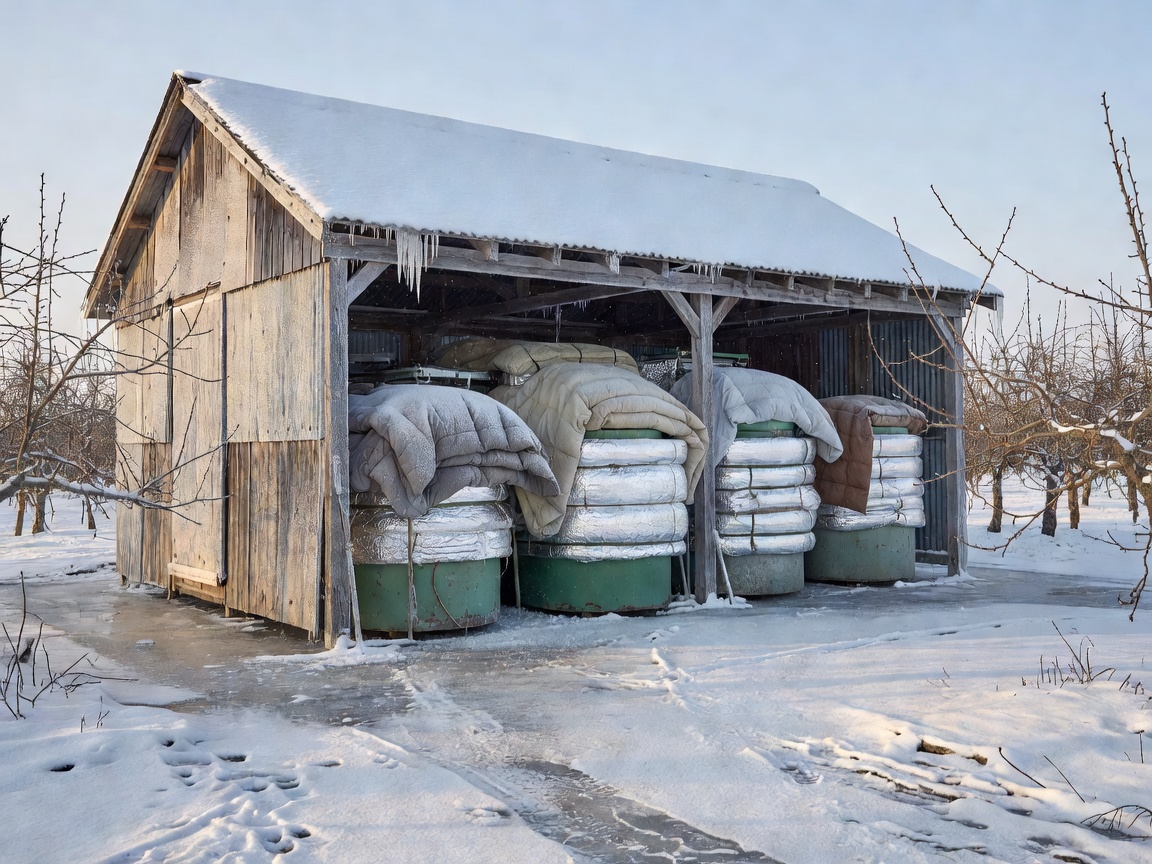
Seasonal Preservation & Reactivation Engineering
Protecting high-value spray rigs, hydraulic pruners, and narrow orchard tractors against freezing burst manifolds, fuel varnishing, and condensation damage requires deliberate protocols at the beginning and end of each growing period.
The Biological Calendar Dictates Machinery Wear
Unlike industrial warehouse forklifts or manufacturing machinery running in climate-controlled spaces, orchard machinery is tied directly to biological weather patterns. A sudden frost event in April demands that frost-protection fans, tractor PTO heaters, or spray rigs operate on two hours of notice. When October rain turns orchard alleys into slick mud ruts, hydrostatic drives and wheel hubs bear extreme radial loads.
Seasonal maintenance is the practice of methodically preparing machinery for the specific environmental stresses of the upcoming season while remediating the wear patterns of the season just passed.
Phase 1: Winter Lay-Up & Storage Conditions
Putting orchard machinery to bed for winter involves much more than parking it under a corrugated metal lean-to. Cold temperatures, humid air, and prolonged inactivity degrade machinery faster than regular operation if done carelessly:
- Fluid Drainage and Anti-Freeze Flushing: Spray pump manifolds, centrifugal flow meters, brass nozzle headers, and filtration sumps must be completely drained. Any residual liquid that freezes will crack cast bronze or polycarbonate housings. Flushing the system with non-toxic agricultural plumbing antifreeze protects diaphragm seals.
- Corrosion Barrier Application: Salt accumulation from foliar fertilizers and acidic fruit residues accelerates oxidation. Machines should be thoroughly washed with neutral detergent, dried, and coated with a protective wax or lanolin-based moisture displacer on unpainted steel shafts, cylinder rods, and link balls.
- Fuel Stabilization & Tank Management: Modern low-sulfur diesel and biodiesel blends are prone to microbial contamination ("diesel bug") when condensation collects in partially empty tanks over winter. Tanks should be topped up fully and treated with a biocide stabilizer.
- Battery Isolation & Trickle Conditioning: Modern orchard tractors with ECU engine management draw minor parasitic currents. Disconnecting negative terminals or installing solar trickle chargers maintains battery plate chemistry across sub-zero months.
Phase 2: Spring Reactivation & Pre-Bloom Preparation
When temperatures rise in February and March, bringing machines out of storage must be done deliberately to avoid hydraulic seal blowouts and electrical short circuits:
First, inspect all rubber hoses and silicone vacuum lines for rodent chewing, which frequently occurs during winter farm storage. Rotate sprayer fans and mower rotors by hand before engaging PTO clutches to confirm no seizing or foreign objects have wedged into the cowling.
Recharge pressure accumulators on boom suspensions and verify cab air filtration units. If your orchard uses positive-pressure carbon-filtered cabs for operator chemical protection, replace the carbon and particulate canisters before any early fungicide spraying begins.
Phase 3: High-Summer Canopy Checks
Mid-summer brings soaring ambient temperatures, high sun exposure, and dry dust clouds. Machinery operating between dense, leafy rows suffers reduced natural airflow.
Workshop staff must establish daily morning routines to blow out radiator fins, hydrostatic transmission coolers, and air conditioning condensers using dry compressed air or dedicated reverse-pitch cleaning fans. Inspect tire sidewalls for heat stress cracking and check tire pressures weekly, as elevated pavement and dry-alley temperatures cause pressure spikes that alter track stability on sloping terraces.
Phase 4: Post-Harvest Winterization
Immediately following the harvest crunch, trailers, harvesting platforms, bin trailers, and transport tractors are covered in bruised fruit residue, sugars, and orchard soil. Fruit sugars ferment into acidic compounds that degrade polyurethane seals and wheel bearing dust caps.
A mandatory post-harvest decontamination washdown must occur before equipment enters the winter maintenance queue. This is also when operators record all minor faults noticed during the harvest rush — such as slipping belts, weeping hydraulic couplers, or jerky steering — into the workshop service ledger.
Pros of Strict Seasonal Protocols
- Eliminates catastrophic frost-cracked spray pump housings.
- Prevents costly battery replacements every spring season.
- Ensures maximum reliability during tight chemical application windows.
- Identifies worn components during slow winter periods when parts are easiest to source.
Drawbacks of Irregular Seasonal Oversight
- Surprise hydraulic leaks when machines are pressurized in early spring.
- Microbial fuel filter clogging during the first urgent field run.
- Accelerated rust corrosion on expensive implement frames and lift linkages.
- Frantic emergency workshop workloads during peak spring planting.
Seasonal Transition Checklist
- ● Autumn Washdown: Pressure-wash implements with neutral bio-cleaner to strip fruit acids, mud, and chemical crusts.
- ● Spray Rig Winterizing: Drain tank, pump, lines, and filters; pull nozzle tips and store in oil bath; charge circuit with 50/50 propylene glycol mix.
- ● Hydraulic Cylinder Storage: Retract all hydraulic rams fully so chrome rods remain shielded inside oil-filled cylinder bodies to prevent pitting.
- ● Tire Relief: Place long-term stationary implements on timber blocks or jack stands to relieve prolonged flat-spotting on bias-ply and radial tires.
- ● Spring Fluid Check: Verify no water separation in engine or transmission sumps prior to initial seasonal engine ignition.
Good For
Orchard enterprises operating in continental European climates characterized by sub-zero winter dormancy followed by rapid spring warming, including commercial pome fruit growers in Northern Italy, the Lake Constance region, the Loire Valley, and Polish apple production hubs.
What to Know
Never store sprayers with dry diaphragm pumps. Turning the PTO on a dry pump that sat through a winter freeze can tear the rubber diaphragms within seconds. Always prime with water or fluid mix and turn the pump shaft manually first to verify free motion.