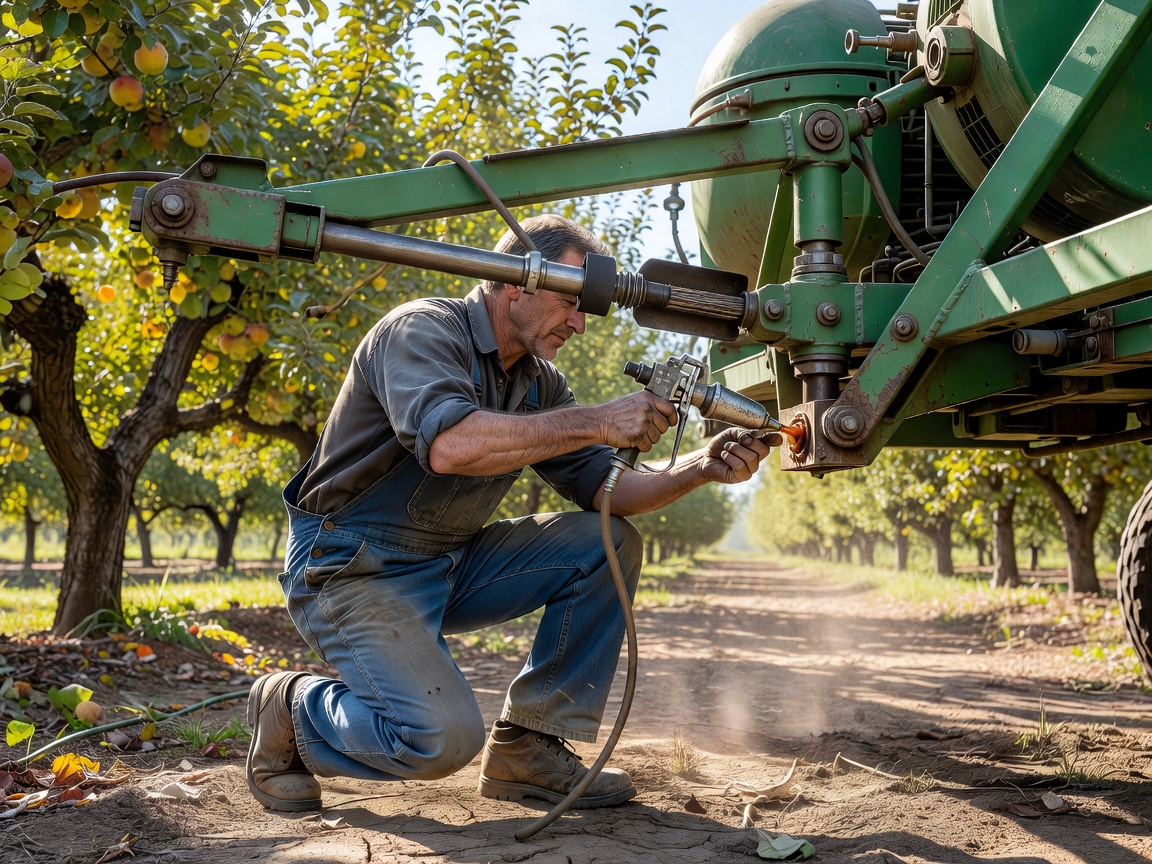
Orchard Machinery Servicing
Comprehensive mechanical maintenance routines covering high-hour engine servicing, transmission diagnostics, bearing replacements, and hydraulic health.
Commercial fruit production runs on narrow operational windows. From high-pressure canopy sprayers to narrow-track vineyard tractors, flail mowers, and automated sorting bins, our peer-to-peer technical guidance helps European growers eliminate downtime, optimize workshop cycles, and protect crop quality.
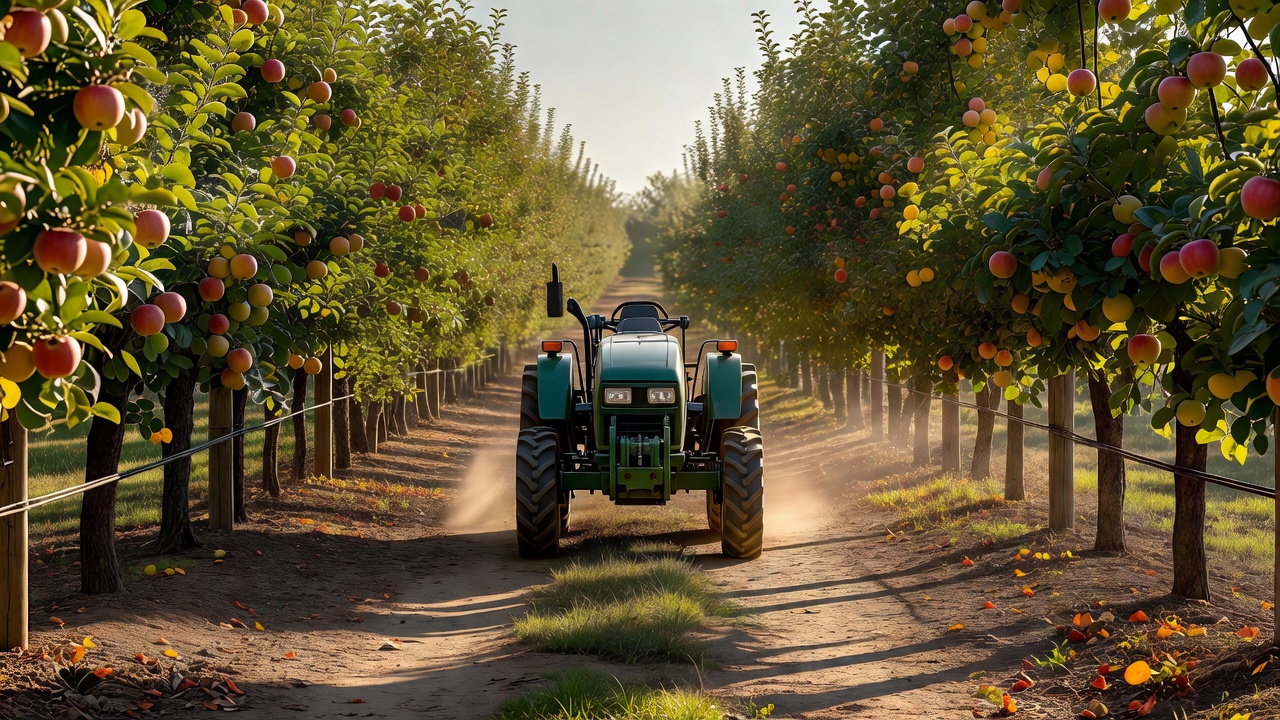
Steering kingpins, hydraulic oil coolers, and PTO shaft seals take elevated loads in dense trellised orchards. Early maintenance prevents mid-season oil blowouts.
Each phase of the orchard calendar requires distinct tooling, mechanical clearances, and safety checks. Explore our five specialized equipment service disciplines below.
Comprehensive mechanical maintenance routines covering high-hour engine servicing, transmission diagnostics, bearing replacements, and hydraulic health.
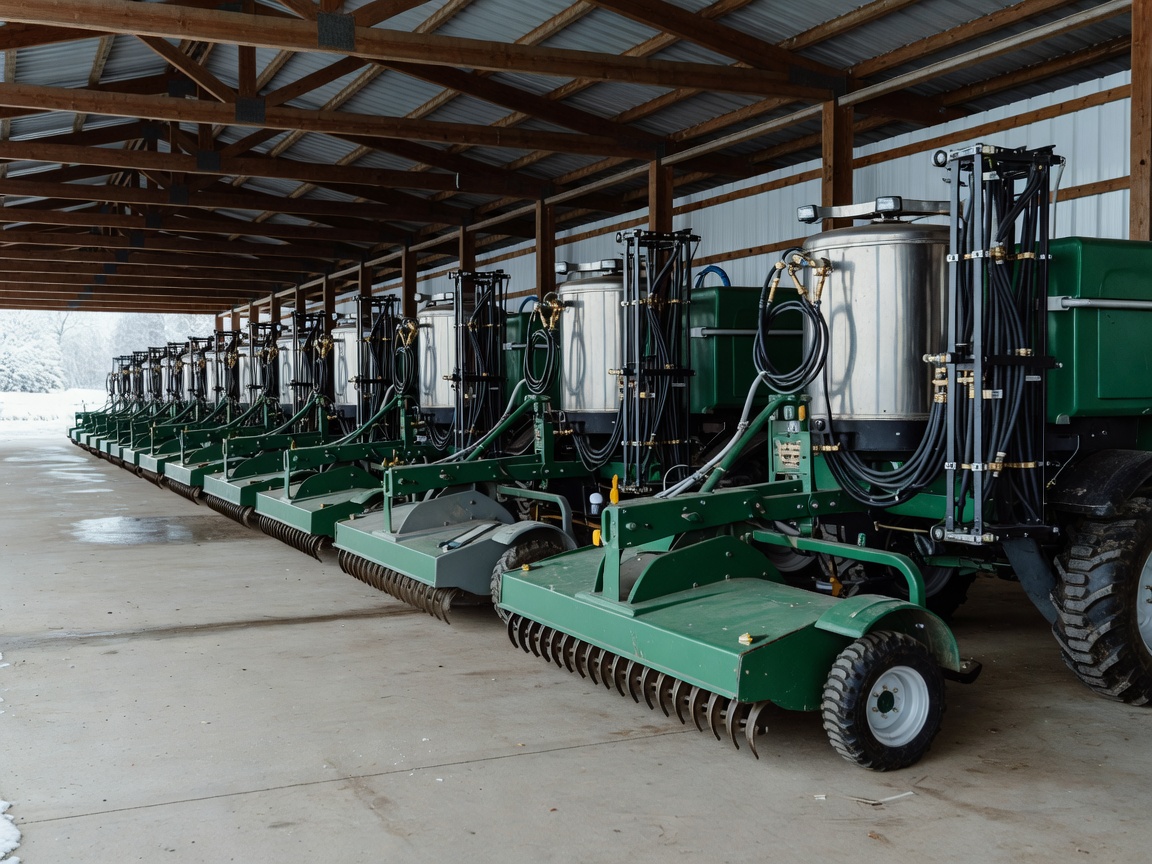
Structured transitions between dormant winter washdowns, frost-fighting readiness, summer canopy trimming, and post-harvest winterization protocols.
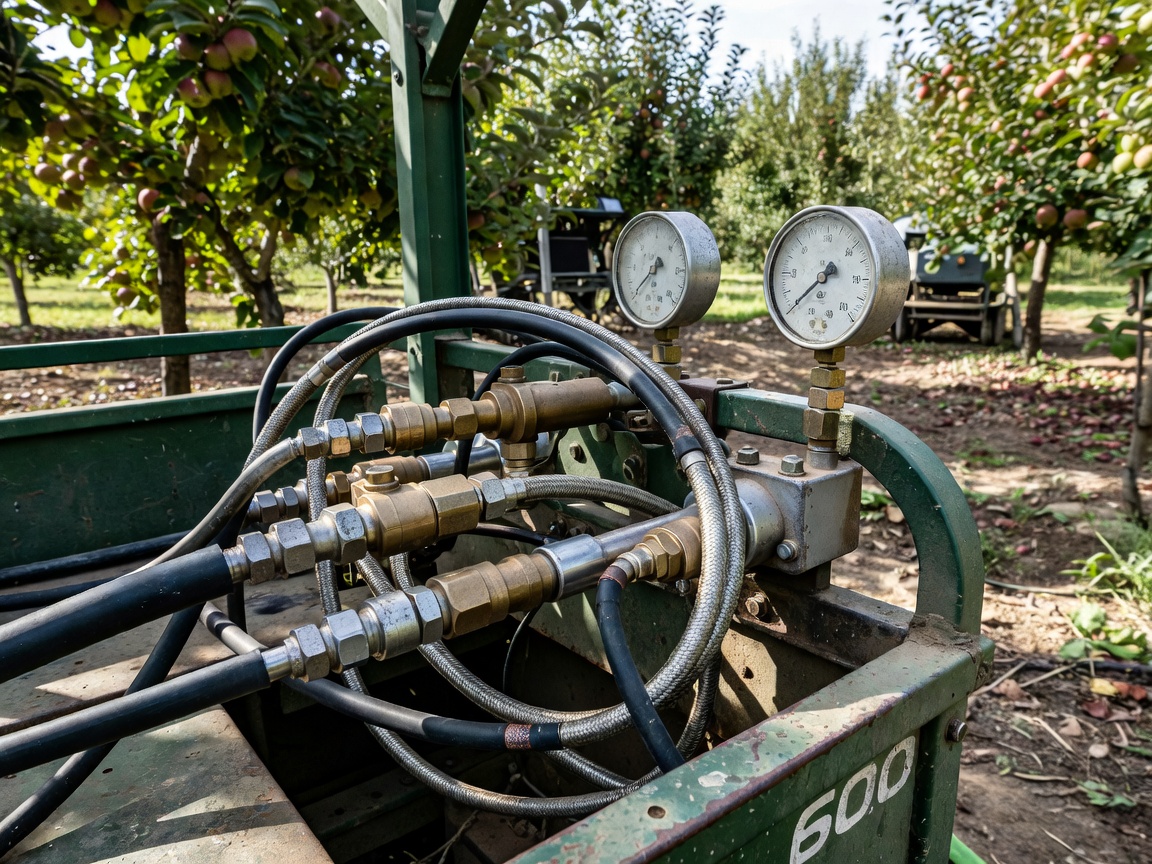
Systematic physical and mechanical audits of frame fatigue, hydraulic leaks, driveline play, brake linkages, and spray distribution nozzles.
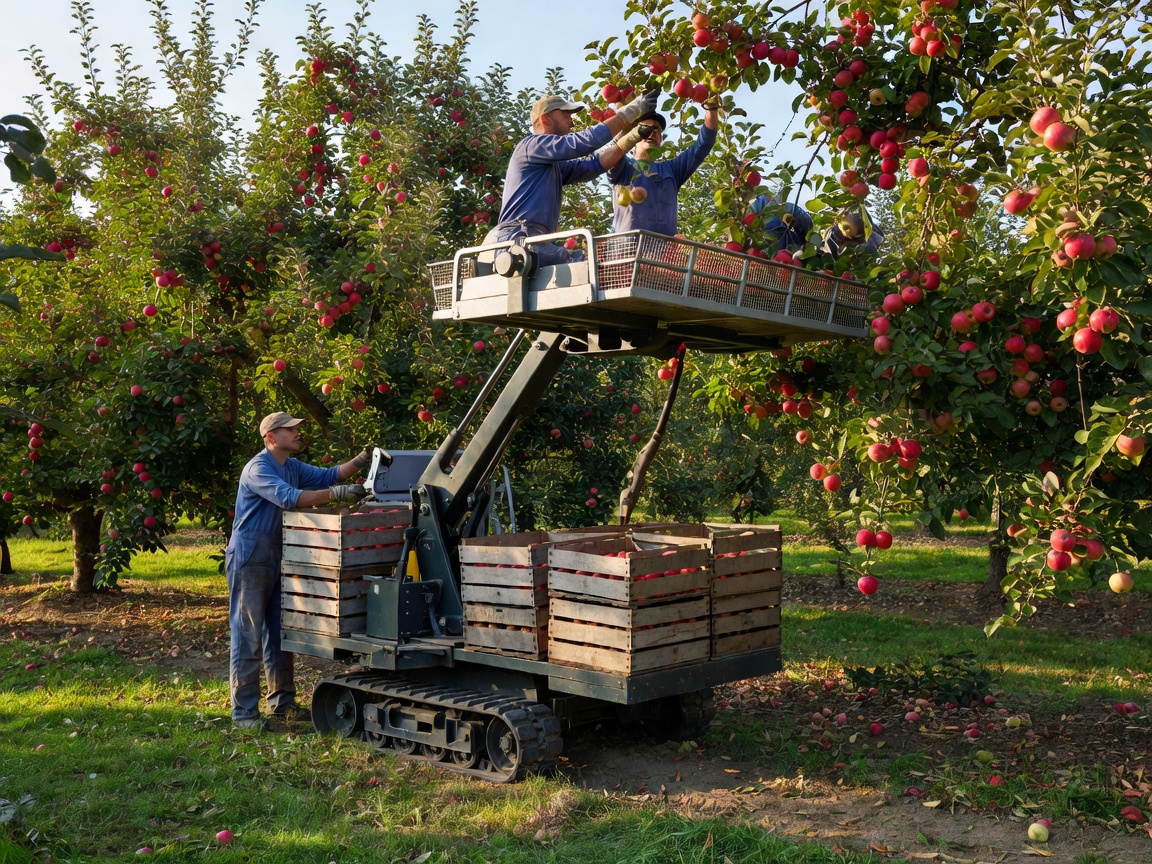
Focused readiness for harvest trailers, bin tippers, fruit picking platforms, and orchard transport units when every day of picking window counts.
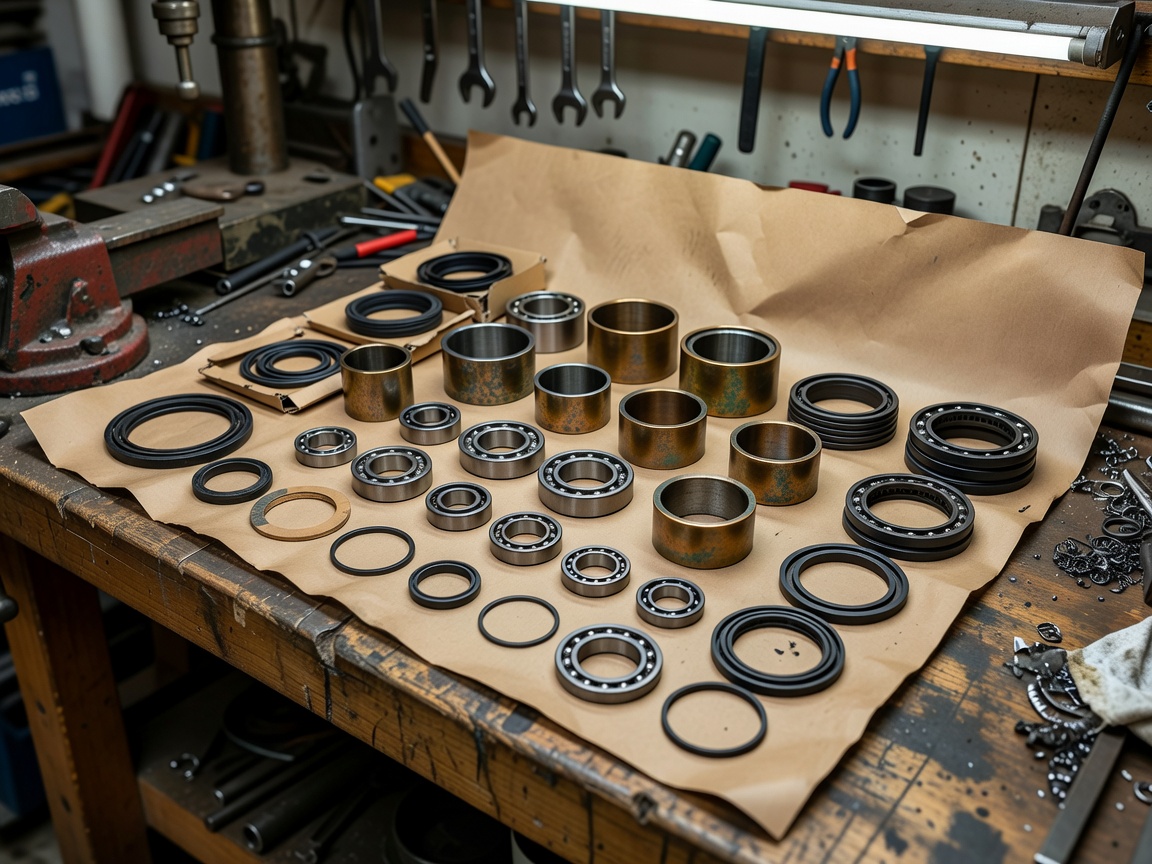
Strategic scheduling for overhaul repairs, OEM spare parts procurement, downtime containment, and lifecycle cost analyses for European fruit growers.
Machinery failure during the pollination or picking windows creates irreversible financial losses. Here is how proactive workshops align their major interventions throughout the European calendar.
Pneumatic pruners, hydraulic tree-trimming saws, and root pruners receive full fluid renewals and blade realignments. Workshop floor space is dedicated to gearbox rebuilds and hydraulic pump replacements while tractors remain off the wet rows.
Spraying calibration is critical. Nozzle wear profiles must match target row canopies to meet strict European drift mitigation guidelines. Mulchers and under-canopy weed brush cutters are sharpened and dynamic balanced.
Mid-summer operations mean dusty conditions and elevated cooling demands. Engine radiators, auxiliary oil coolers, and intake cyclones require daily particulate blowout and belt tension rechecks.
Harvesters, platform lifts, and bin trailers run continuously. Emergency repair response kits and backup hydraulic couplers are pre-positioned in the headland depot to address sudden line failures without holding up picking crews.
Corrosive orchard chemical residues, damp orchard mud, and plant sap must be thoroughly cleared. Machines are greased until fresh purge appears at seals, anti-corrosion barrier coatings are sprayed on exposed shafts, and fuel stabilizer is added.
European fruit growing operations operate on tight soil-structure constraints. We advocate for preventative component tracking rather than reactive triage. When an axle seal weeps on a specialized 65kW crawler in the middle of a pre-frost copper treatment, it is never just a seal issue — it can disrupt the entire chemical window.
By treating routine greasing, hydraulic fluid cleanliness testing, and seasonal winterization as interconnected operational safeguards, commercial orchards can reduce non-scheduled workshop interventions by over 40% year-on-year.
Tailored procedures for stone fruit, pome fruit, citrus, and berry plantation equipment.
Advice calibrated around narrow inter-row clearances, high turn-angle steering linkages, and low cab profiles.
Guiding spare parts procurement cycles well ahead of seasonal supply bottlenecks across Europe.
Tight headland turning puts high cyclical shear forces on drive axles and constant-velocity joints. Periodic backlash measurement keeps fleets operational.