Orchard Equipment Repair Planning
Unplanned machinery repairs create compounding costs: premium freight on parts, emergency technician travel, and lost operational windows. Strategic repair planning turns mechanical triage into controlled, budget-predictable workshop projects.
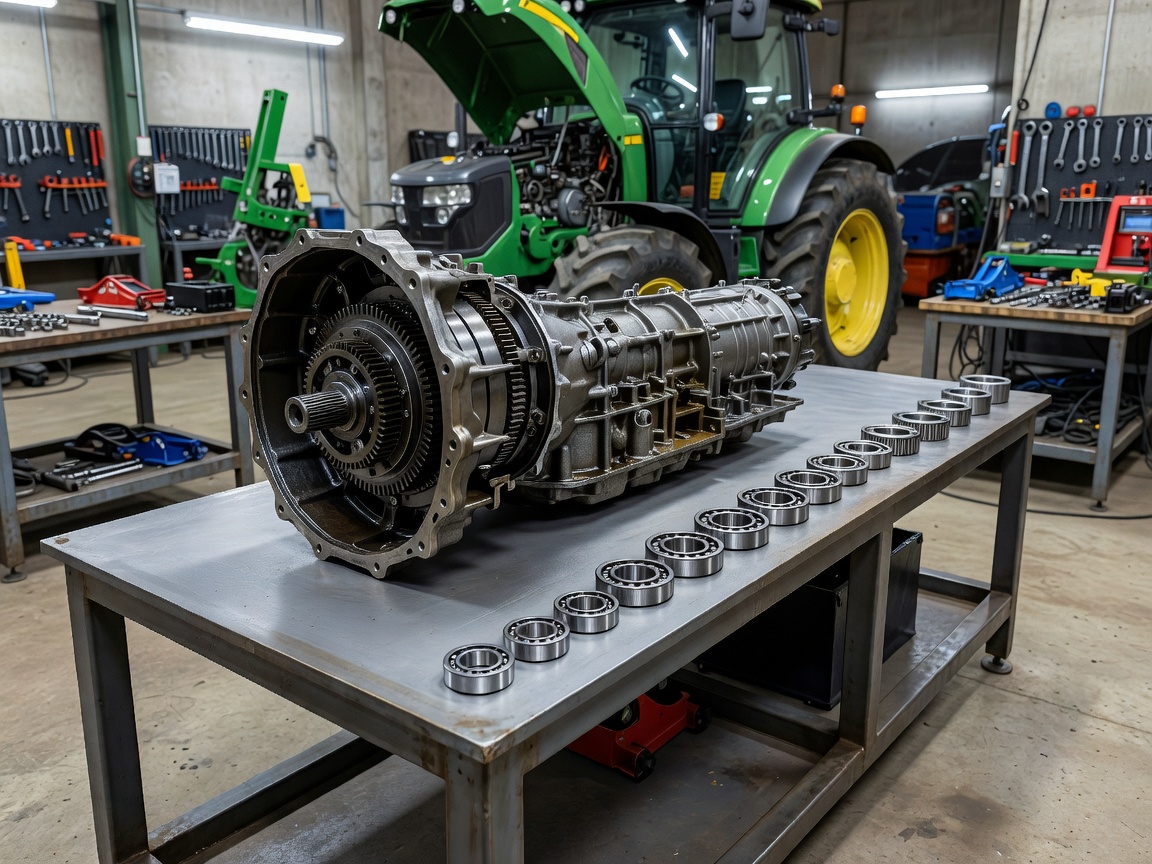
Structured Lifecycle Overhaul Management
When major mechanical systems wear — such as dual-clutch transmission packs, final drive planetary gears, or high-pressure spray pumps — planning the intervention months ahead minimizes downtime and capital expenditure.
Understanding Repair Categories: Minor vs Major Overhauls
In orchard management, separating minor repairs from major overhauls is critical for cash flow and workshop space allocation:
- Minor Repairs: Localized component replacements that can be completed within 2 to 4 hours without splitting tractor chassis or pulling engines. Examples include replacing weeping hydraulic spool valve O-rings, fitting new alternator belts, changing wheel hub grease seals, or replacing broken spray regulator knobs. These should be addressed immediately before minor leaks escalate.
- Major Overhauls: Subsystem rebuilds requiring multi-day workshop occupancy, specialized pullers, bearing presses, and precise backlash shimming. Examples include rebuilding front portal axle bevel gears, re-coring main radiators, splitting the tractor to renew shuttle clutches, or rebuilding piston-diaphragm pump crankshafts. These should be scheduled during dormant winter months.
Spare Parts Logistics & European Lead Time Realities
Specialized orchard machinery often uses proprietary components manufactured in limited runs by European agricultural engineering companies. Unlike common automotive filters, a replacement steering knuckled pin or hydrostatic pump rotating group for a 1.2-meter orchard crawler might have a 4 to 8-week manufacturing lead time if stock is depleted at regional hubs.
Growers who wait until March to order components identified during November post-harvest inspections often find themselves stranded as blossom approaches. A disciplined repair plan places orders in November and December, ensuring parts are in the workshop when technicians begin winter tear-downs.
Cost Categories: Budgeting Without Fabricated Numbers
Because tractor models, local dealer labor rates, and component wear levels vary considerably across European fruit regions, realistic budgeting relies on categorizing cost factors rather than guessing arbitrary flat rates:
- Direct Parts Costs: OEM versus certified aftermarket bearings, seal kits, friction plates, and specialized casting pieces.
- Workshop Labor Hours: Mechanical teardown, solvent cleaning, dimensional measurement, re-assembly, and field calibration hours.
- Machining & Specialized Services: External machine shop services such as line-boring worn pivot pin bosses, flywheel resurfacing, or hydraulic cylinder rod re-chroming.
- Opportunity Cost of Inaction: The hidden operational cost incurred when a degraded machine causes spray delays, leading to scab or pest outbreaks in the fruit block.
Repair vs Replace Decision Framework
Every orchard enterprise reaches a point where continuing to repair an aging machine becomes counterproductive. To make rational decisions, consider these five objective criteria:
- Cumulative Repair Cost vs Residual Market Value: If projected overhaul costs across the next 24 months exceed 50% of the machine's un-repaired open market value, replacement should be analyzed.
- Chassis & Casting Integrity: Engine blocks and transmission housings that suffer hairline casting cracks or stripped bolt patterns from chronic vibration are risky to weld; replacement of the machine is often safer.
- Ergonomics, Drift Technology & Environmental Compliance: Newer spray rigs offer advanced air-curtain drift reduction that complies with stricter European chemical application buffer zones. An older rig may simply be legally obsolete regardless of mechanical condition.
- Parts Availability Trajectory: When essential transmission shafts or electronic ECUs are discontinued by the manufacturer, continued frontline reliance is a major liability.
- Fleet Standardization: Operating three identical narrow tractors simplifies spare parts storage and operator training compared to maintaining four disparate legacy brands.
Pros of Systematic Repair Planning
- Enables bulk parts ordering and negotiation with parts distributors.
- Eliminates frantic peak-season workshop backlogs.
- Allows technicians to perform rebuilds calmly in clean winter workshops.
- Preserves cash reserves by pacing overhauls across designated budget years.
Consequences of Reactive Triage
- Expensive expedited air freight on heavy steel gear components.
- Forced reliance on temporary makeshift fixes that fail in the field.
- Technicians working under intense time pressure make shimming errors.
- Missed spray or harvest deadlines that directly reduce crop value.
Practical Repair Planning Checklist
- ● Post-Season Log Review: Gather all operator notes recorded during summer spraying and autumn harvest.
- ● Tear-Down & Measurement: Disassemble worn sub-assemblies in December; measure clearances with micrometers and dial indicators against OEM wear limits.
- ● Consolidated Bill of Materials: Compile comprehensive parts lists — including single-use items like gaskets, O-rings, crush washers, and cotter pins.
- ● Schedule Workshop Bay Time: Reserve specific workshop weeks for teardown, cleaning, machining, and final test-run before spring fieldwork.
- ● Contingency Allocation: Reserve 15% contingency hours for unforeseen internal damage discovered once gearboxes are split.
Good For
Independent family-run orchards and agricultural cooperative workshop supervisors who want to eliminate crisis-driven equipment management, smooth out capital expenditure, and ensure total mechanical readiness ahead of the busy spring growing calendar.
What to Know
Never reuse single-use torque-to-yield cylinder head bolts or pre-formed copper crush washers during an overhaul. Skimping on small sealing components to save a few euros often causes gasket blowouts, requiring the entire assembly to be torn down a second time.