Harvest Equipment Support
When fruit reaches optimal sugar balance, pressure, and skin coloration, picking crews cannot afford mechanical stoppages. Harvest equipment support focuses on operational readiness, field transit logistics, and contingency engineering.
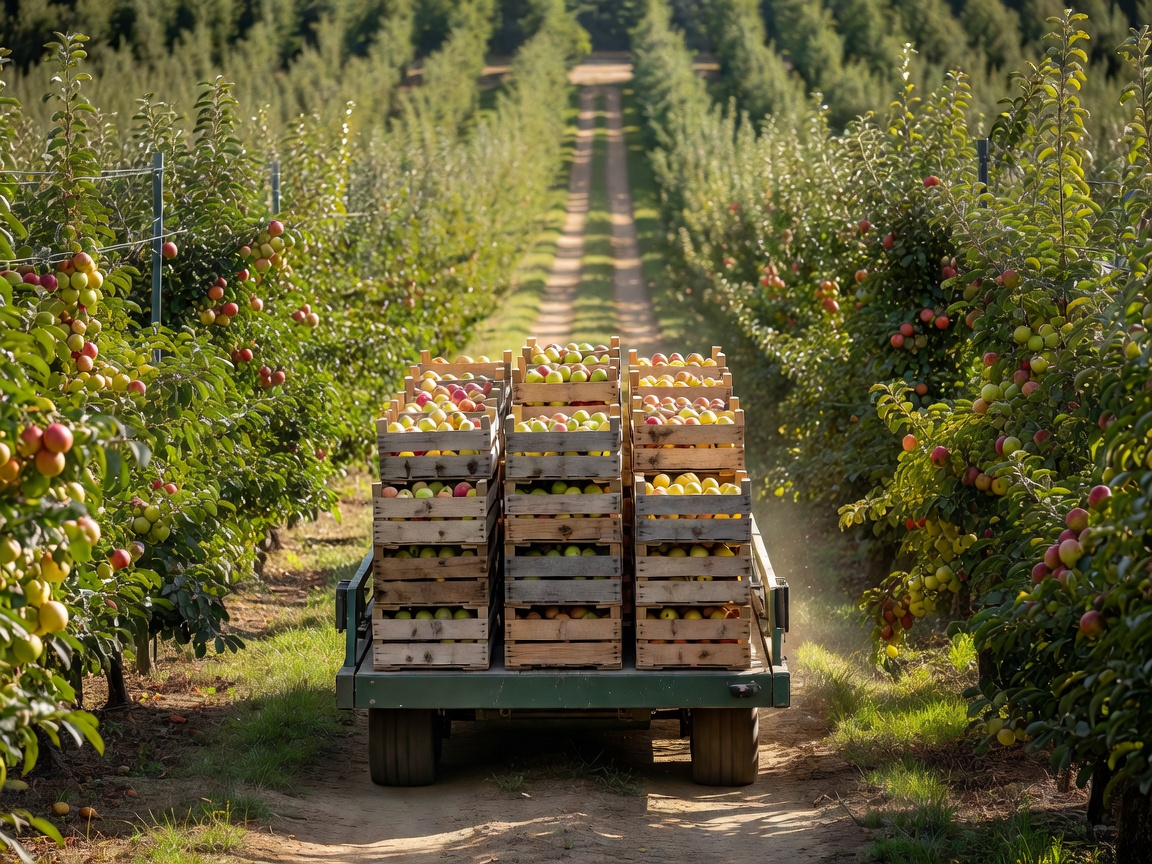
Continuous Picking Readiness & Field Reliability
Harvest machinery operates under sustained low-speed loads, carrying multiple tons of harvested fruit across rough terrain. Preventing hydraulic overheating, electrical battery discharge, and trailer axle fatigue protects the season's yield.
The High Stakes of the Harvest Window
In European commercial fruit production — whether harvesting Golden Delicious apples in South Tyrol, Conference pears in Belgium, or peaches in the Rhône Valley — the harvest window is unforgiving. A sudden hail threat or predicted rain front can compress a planned two-week pick into six frantic days.
During this intense window, dozens of seasonal workers depend on self-propelled picking platforms, pneumatic or electric harvesting shears, bin transport trailers, and yard forklifts. A hydraulic hose failure on a self-propelled platform does not just idle a machine; it stops an entire crew of 6 to 8 pickers. Harvest equipment support is designed around eliminating single-point bottlenecks before picking starts.
Primary Harvest Machinery Categories
Comprehensive harvest readiness covers three interconnected equipment categories:
1. Self-Propelled Harvesting Platforms
These machines travel slowly down orchard rows, allowing pickers on elevating side platforms to harvest top canopies without ladders. Support priorities include:
- Scissor-Lift Hydraulic Cylinders: Checking velocity fuses and dual-pilot check valves to guarantee that platforms cannot settle or drop suddenly under worker loads.
- Battery Systems on Electric Drive Units: Testing battery internal cell resistance, water levels in lead-acid packs, and verifying charger efficiency before nightly recharge cycles begin.
- Sensory Steering Guides: Inspecting mechanical feeler arms and ultrasonic row-centering sensors that keep platforms tracking in the row center without manual steering input.
2. Orchard Bin Trailers & Shuttle Carts
Trailers carrying three to six standard 300kg wooden or plastic fruit bins experience relentless cyclical shock. Support steps include checking tandem axle walking beams, greasing rocker pivot pins, and inspecting wheel bearings for heat buildup following rapid road transit to cold-storage packing houses.
3. Bin Tippers & Headland Loading Equipment
Hydraulic three-point-mounted bin forks and rough-terrain yard forklifts perform thousands of continuous lift cycles. Hydraulic oil temperatures run high in static loading yards. Oil cooler fins must be kept clean, and mast lift chains must be checked for elongation wear against manufacturer elongation limits.
Field Access, Loading Zones & Headland Logistics
Mechanical failures often stem from poor field route planning. Heavily loaded bin wagons cause severe rutting if soil moisture is high, dragging undercarriage components across orchard stones.
Harvest support involves auditing turning radii at row ends, clearing low-hanging anchor wires on end-posts, and setting dedicated empty-bin inbound lanes versus full-bin outbound lanes to prevent machinery gridlock on narrow farm tracks.
Contingency Planning & Emergency Field Kits
No matter how meticulously a fleet is prepared, field accidents happen: a branch snags an electric stop wire, or a trailer strikes a concrete irrigation riser. A resilient orchard maintains dedicated harvest emergency kits containing:
- Pre-made hydraulic hose assemblies matching common platform return and pressure lines.
- Quick-disconnect hydraulic couplers and assorted BSP / JIC thread adapters.
- Universal replacement 12V relays, fuses, and toggle switches.
- Pre-mounted spare tire/wheel assemblies for bin trailers to allow 10-minute field changes.
Pros of Pre-Harvest Support Protocols
- Maximizes picker productivity and eliminates paid downtime.
- Prevents fruit skin bruising caused by jerky platform propulsion.
- Ensures immediate cold-storage transport to maintain fruit firmness.
- Avoids costly weekend emergency call-out fees for mechanics.
Risks of Unprepared Harvest Fleet Operations
- Picker crews idle while waiting for hydraulic repairs.
- Fruit over-ripens on trees, forcing downgrade to processing grade.
- Overheating platform hydraulic systems cause catastrophic pump seizure.
- Overloaded trailer axles fail on public transit roads to the packhouse.
Harvest Readiness Checklist (4 Weeks Out)
- ● Platform Load Test: Raise platform to maximum extension with simulated weight; verify hydraulic drop is less than 5mm over 30 minutes.
- ● Emergency Stop Validation: Test every emergency shutoff push-button located on platform decks and lower chassis.
- ● Trailer Running Gear: Torque all wheel lug nuts; repack wheel hub bearings; inspect safety chains and hitch pin retainers.
- ● Tire Pressures: Inflate bin trailer tires to rated carrying capacity pressure to minimize rolling resistance on soft turf.
- ● Battery Deep-Cycle Test: Run electric picking platforms through full simulated shift to confirm battery reserve capacity.
Good For
Fresh-market dessert apple and pear orchards, sweet cherry operations using elevating platforms, and commercial growers managing multiple harvest crews and complex headland bin transport circuits.
What to Know
Never ignore a whining hydraulic pump on an elevating harvest platform. Low hydraulic oil levels or cavitating intake filters can cause sudden pressure loss while workers are working at height. Always verify oil sight glasses with platforms fully lowered before starting daily picking shifts.